
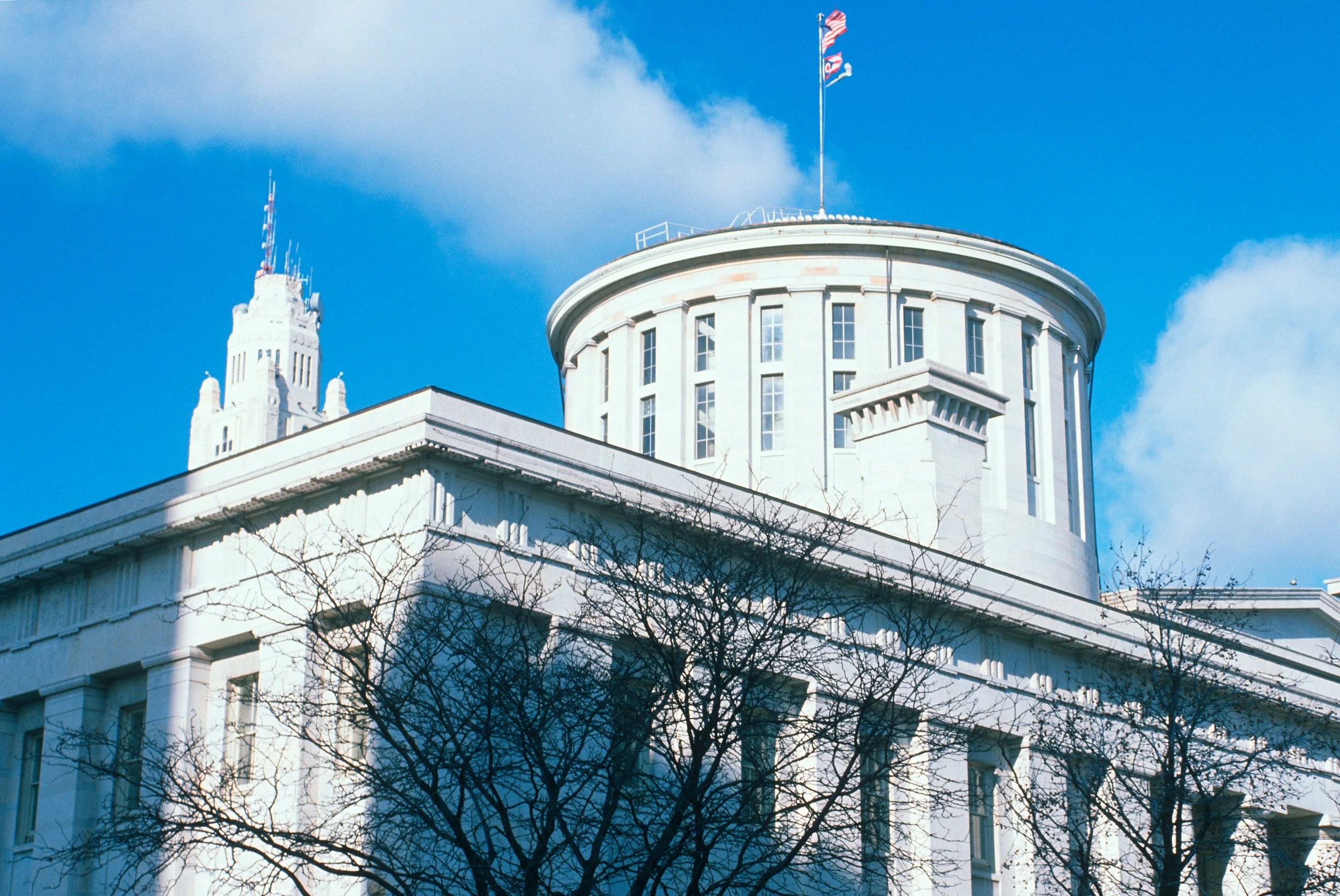
Wyoming Abortion Ruling Hinges on Health Care Freedom Amendment
Wyoming's Supreme Court overturned two 2023 abortion restriction laws, citing a 2012 constitutional amendment guaranteeing healthcare decision-making rights. The amendment, approved by 77 percent of voters as an anti-ACA measure, now protects abortion access under strict scrutiny standards. Similar healthcare freedom amendments in Ohio have challenged gender-affirming care bans and abortion restrictions, demonstrating unintended policy consequences.

Rural Health Transformation Program 101 (Federal Grants to States to Improve Rural Healthcare)
The Rural Health Transformation Program, created under the One Big Beautiful Bill Act, represents a $50 billion federal investment distributed as $10 billion annually from 2026-2030. All 50 states submitted applications in November requesting typically $1 billion each. CMS will announce awards by December 31, 2025, with half distributed equally among approved states and half awarded discretionally based on compelling initiatives and demonstrated need.

Here's What Prescription Drug Affordability Boards Have Been Doing in 2025 (Upls, Affordability Reviews, and Expanded Authority)
Colorado finalized the nation's first prescription drug upper payment limit, capping Enbrel at $600 per dose effective January 2027. Maryland conducted affordability reviews on four drugs and voted to set UPLs for Jardiance and Farxiga. Oregon reviewed 23 drugs with final recommendations expected March 2026, while Washington and Minnesota prepared for upcoming reviews.

Health Policy Rollup: State Action We Watched in November 2025
Fifteen governors launched a public health alliance to improve emergency preparedness and coordination across state lines, while CMS announced all 50 states applied for the $50 billion Rural Health Transformation Program. California enacted major healthcare transparency and PBM oversight legislation, Colorado proposed significant Medicaid spending cuts, and Massachusetts advanced prior authorization reforms.
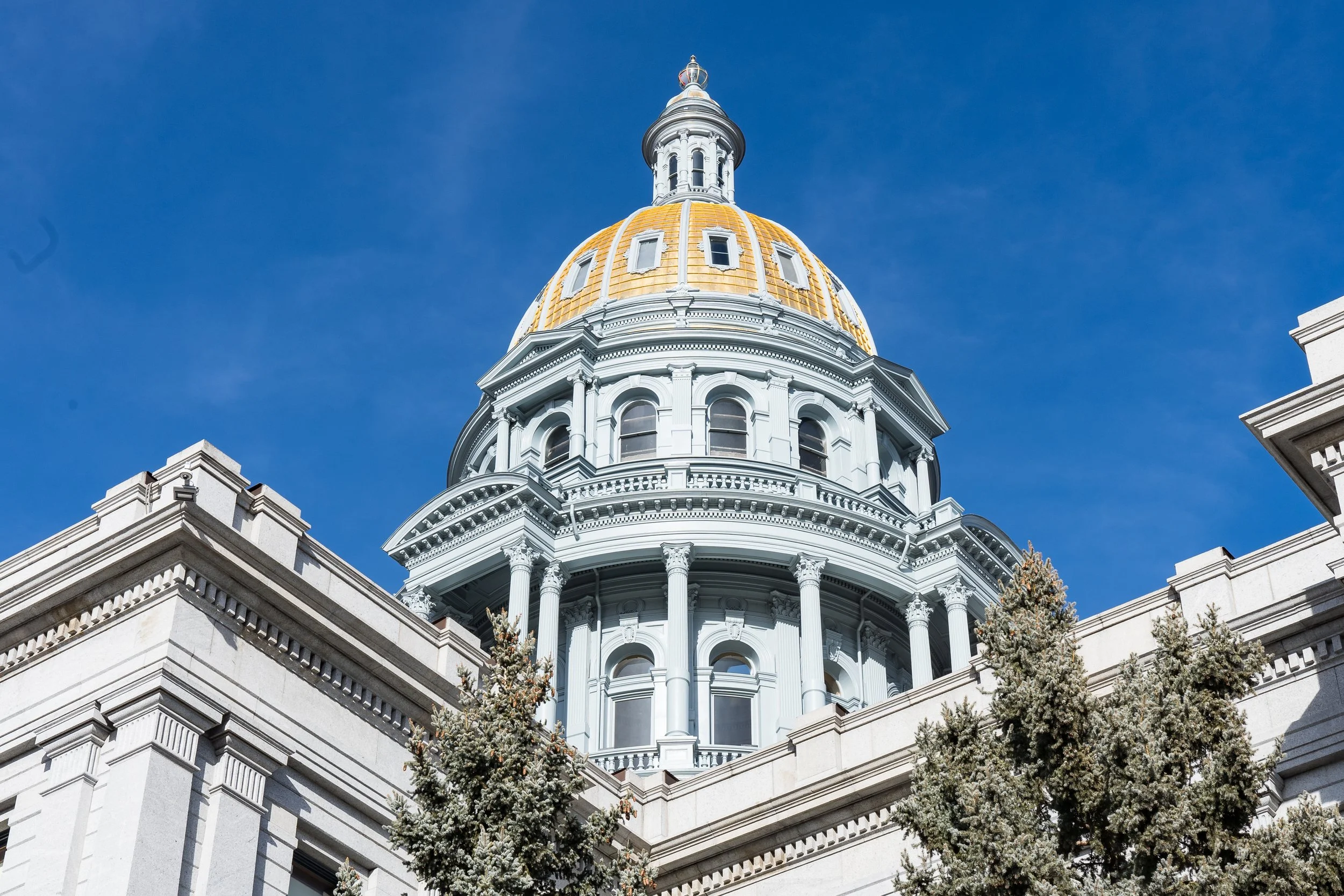
Colorado’s PDAB Faces Second Legal Challenge Over Drug Pricing
Amgen filed a second lawsuit against Colorado's Prescription Drug Affordability Board in October, challenging the board's authority to set upper payment limits after it established a $600 per unit limit on Enbrel based on Medicare pricing. The manufacturer argues the limits violate federal patent laws and due process, with the case potentially influencing similar drug pricing policies in Maryland, Minnesota, and Washington.

Healthcare Legislators Tackle AI Claims and Medical Debt Relief (NCOIL Recap)
The National Council of Insurance Legislators adopted the Prior Authorization Reform Model Act and advanced artificial intelligence oversight policies at its Atlanta annual meeting. The Health Insurance Committee addressed charity care screening requirements and medical debt protections, while the Financial Services Committee continued developing AI governance standards requiring human professionals to make claim denial decisions. Legislators discussed expiring ACA tax credits' impact on market stability with state insurance commissioners.

Fertility Care and IVF Access in 2025: State Legislation and Federal Policy Highlights
Twenty-five states now require insurance coverage for fertility care as federal officials create new employer benefit pathways and negotiate lower drug prices. California delayed implementation of comprehensive IVF coverage mandates until 2026, while Virginia's commission drafted legislation requiring three IVF cycles in benchmark plans. Arkansas became the first state enacting restorative reproductive medicine legislation, though Nevada's governor vetoed broader Medicaid fertility coverage citing fiscal concerns.
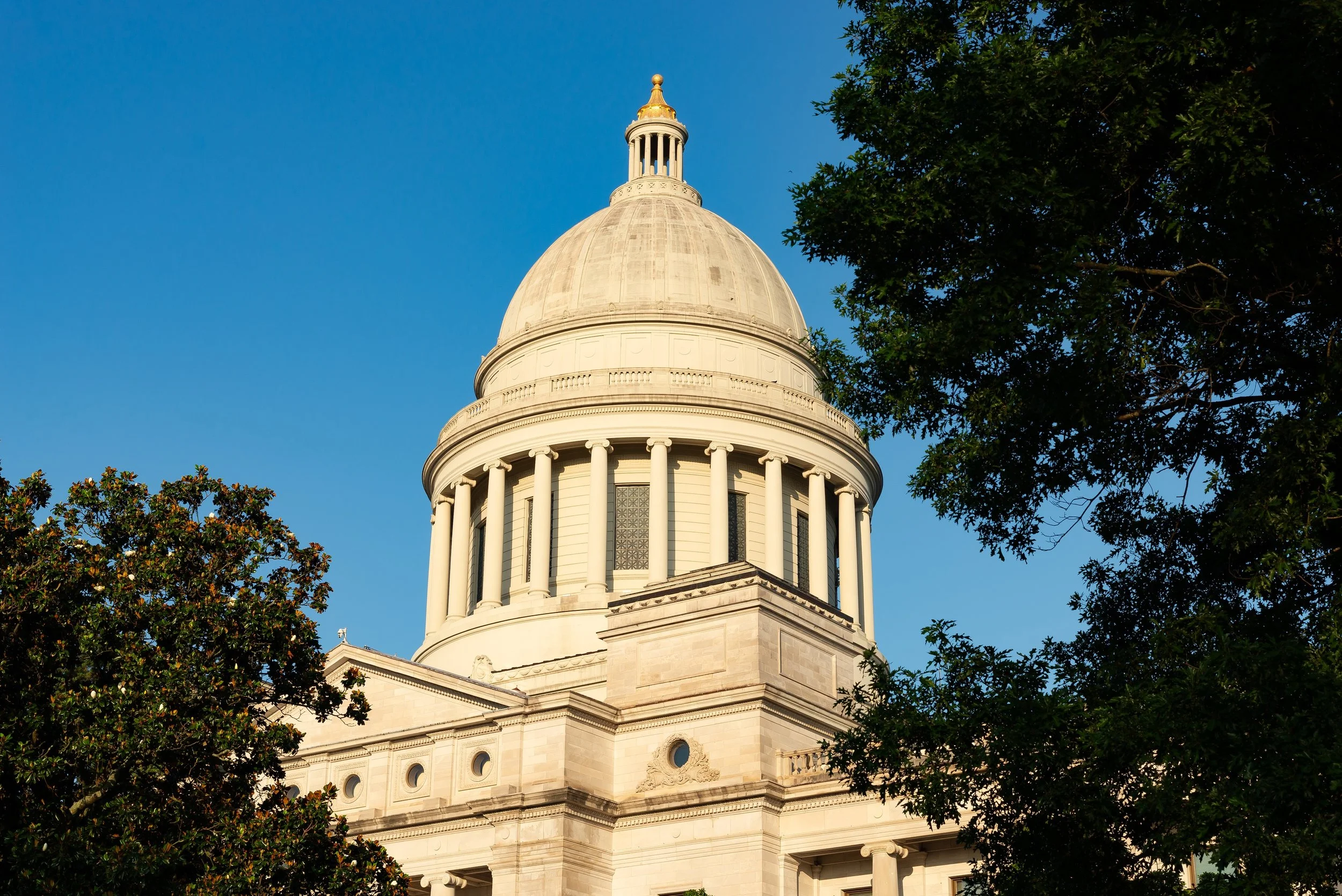
State Pharmacy Benefit Management Reform in 2025
States enacted significant pharmacy benefit manager reforms in 2025, including Arkansas's historic pharmacy ownership ban, Massachusetts's comprehensive licensing requirements, and Colorado/California's compensation delinking laws.
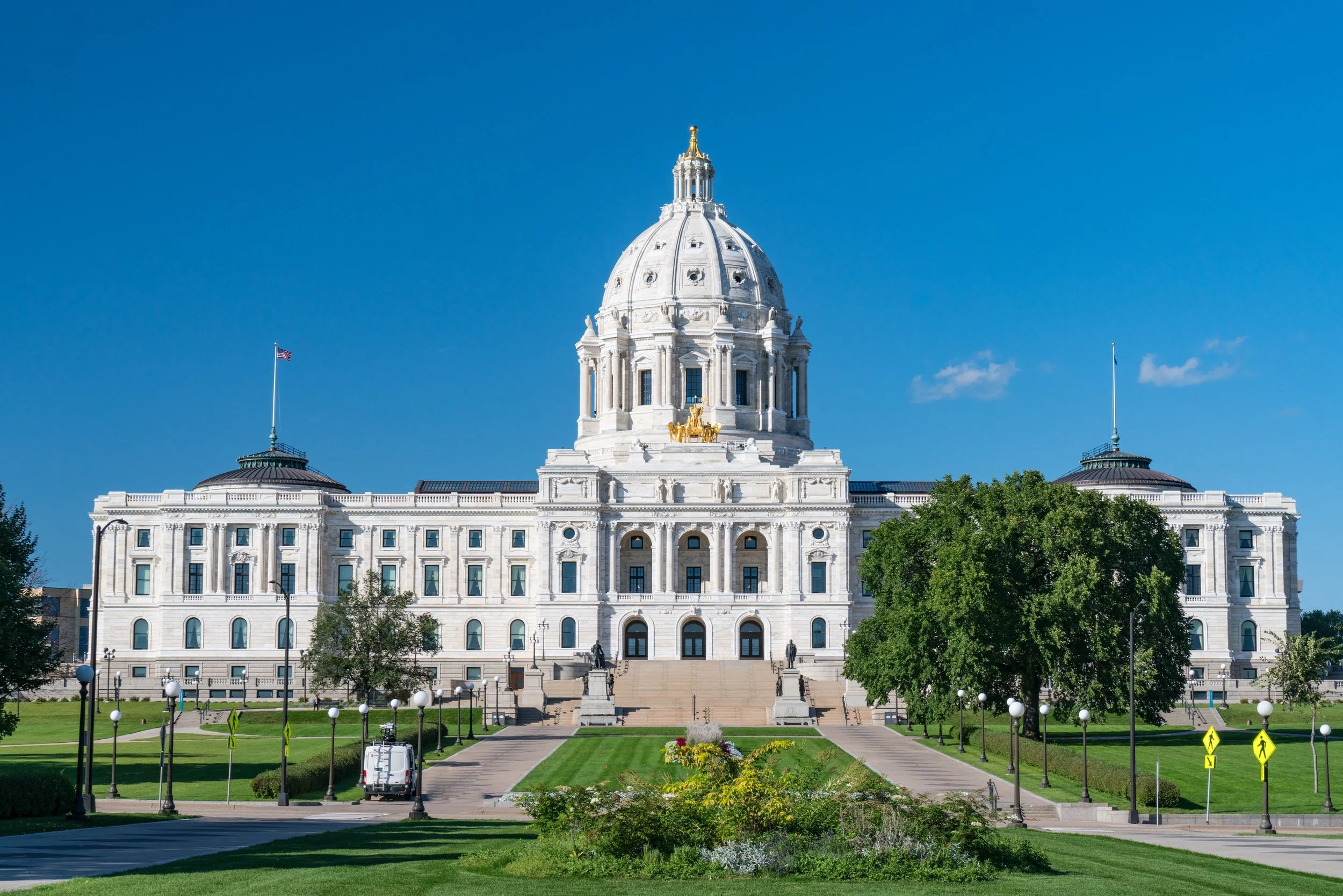
States Expand Genomic Testing Coverage (Rapid Whole Genome Sequencing and Biomarker Testing)
Seventeen state Medicaid programs now cover rapid whole genome sequencing for critically ill children, with Minnesota, North Carolina, Oklahoma, and Tennessee extending coverage to patients under 21 in pediatric critical care. Sixteen states mandate biomarker testing coverage for cancer-risk beneficiaries. Maryland and Illinois enacted legislation prohibiting genetic discrimination in life insurance policies.

Health Policy Rollup: State Action We Watched in September and October 2025
California signed SB 306 requiring health plans to report prior authorization denial rates and eliminate requirements for services with 90% approval rates by 2028. Kansas recommended 340B transparency legislation following committee hearings. New Mexico allocated $50 million for rural healthcare and $17 million for Marketplace subsidies during special session. West Coast states issued coordinated winter vaccination recommendations.
States Prepare Applications for Rural Health Transformation Program
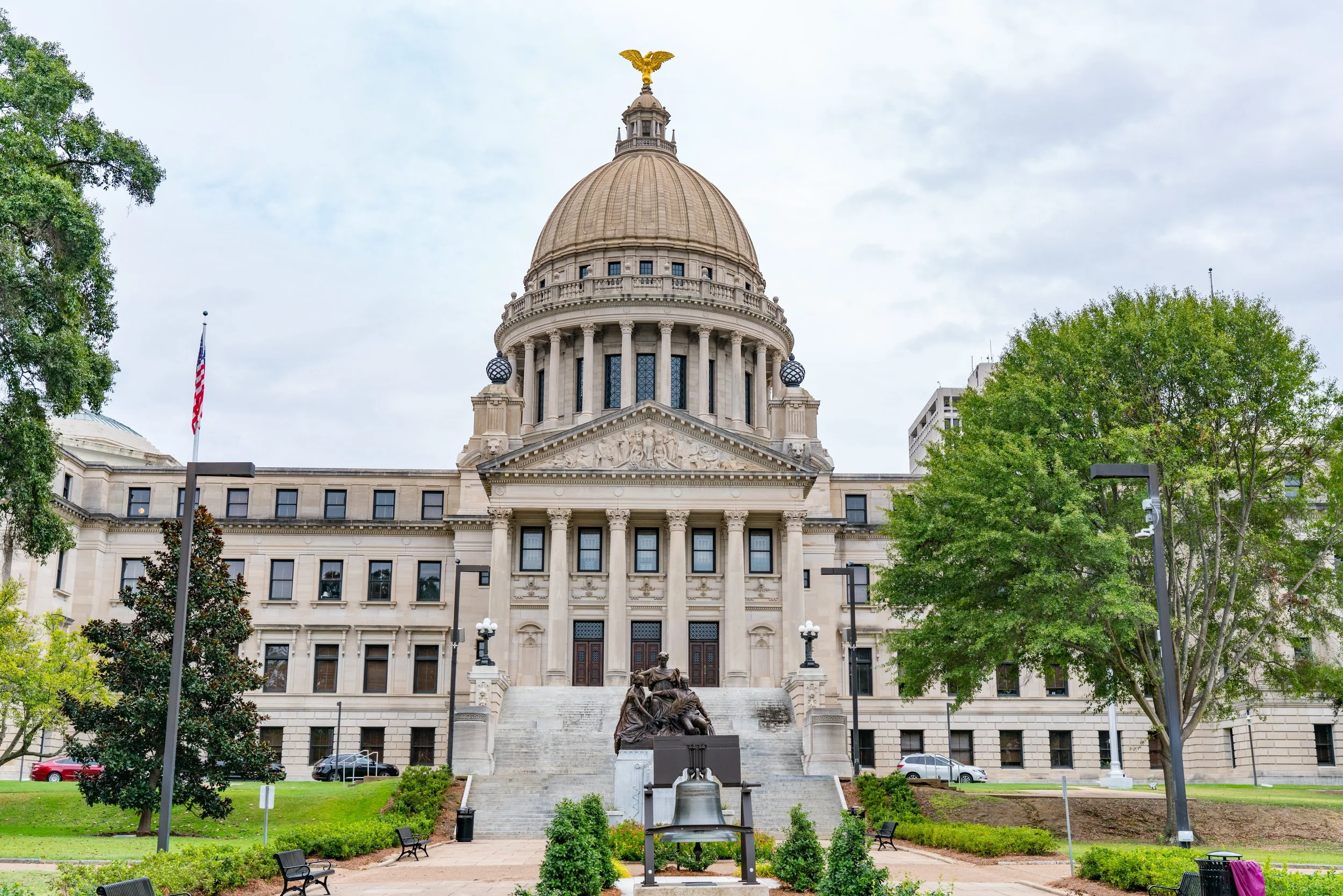
CMS released guidance for states applying to the Rural Health Transformation Program's $50 billion in federal funding distributed between FY2026-FY2030. States like Mississippi, Oklahoma, North Dakota, and Washington are conducting stakeholder surveys and forming committees to develop applications focusing on workforce development, technology infrastructure, and healthcare access improvements. Applications are due November 5, 2025, with approvals by December 31.

Colorado Adopts Nation’s First Upper Payment Limit for a Prescription Drug
Colorado's Prescription Drug Affordability Board finalized the first-ever upper payment limit for a prescription drug, capping Enbrel at $600 per 50mg/mL effective January 2027. The biologic treats autoimmune diseases and was deemed unaffordable in February 2024. Colorado joins Maryland, Washington, and Minnesota as states with price-setting authority, while Maryland considers limits for diabetes drugs Jardiance and Farxiga.

States Diverge on Vaccine Policy as Federal Guidance Shifts
The FDA recently limited COVID-19 vaccine eligibility to adults 65+ and younger people with qualifying conditions, while disbanding the CDC's advisory committee. States are responding differently: Massachusetts, Nevada, and New Mexico restrict pharmacy access to FDA guidelines only, while Pennsylvania and New York expanded access through state orders. California, Oregon, Washington, and Hawaii formed the West Coast Health Alliance for independent guidance. Florida plans eliminating all vaccine mandates, including childhood school requirements.

Hospital Facility Fee Legislation Gains Momentum Across 11 States
Eleven states considered facility fee legislation in 2025 as hospital ownership of outpatient settings expands. These charges cover costs beyond provider billing but have drawn criticism from insurers as unfair markups for consumers in non-hospital settings. Key legislative trends include requiring health systems to report facility fee data to state agencies, prohibiting or limiting certain facility fees, and establishing consumer notice requirements. The push reflects growing state concern over billing practices as hospital systems increasingly acquire physician practices and outpatient facilities.

State Medical Debt Laws Expand Despite Federal Court Setback
In 2025, states enacted 14 medical debt reform laws across 10 states after a Texas court struck down Biden's CFPB rule banning medical debt from credit reports. Maryland passed the most comprehensive package, while Delaware, Maine, Oregon, Rhode Island, Vermont, and Washington prohibited credit reporting. Over 123 bills were introduced across 38 states addressing collections, interest rates, and reporting practices.

How States Continue Shaping Reproductive Health Policy, Three Years Post-Dobbs
Three years after Dobbs overturned Roe v. Wade, reproductive health policy continues evolving rapidly in 2025. Missouri successfully placed a ballot measure to overturn voter-enacted abortion protections on the 2026 ballot, while Montana failed to achieve the two-thirds vote needed for fetal personhood. Interstate legal battles intensified as Texas and Louisiana attorneys general pursue cases against a New York doctor prescribing abortion pills across state lines. Emergency abortion policies split along partisan lines, with red states clarifying ban exceptions while blue states codify EMTALA protections into state law.

New Jersey and Oregon Target Behavioral Health Reform and Patient Protections
Oregon enacted comprehensive behavioral health reform legislation, with Governor Kotek signing bills that allocate $65.7 million for provider capacity, establish workforce recruitment programs, broaden civil commitment standards, and create youth substance use prevention strategies. Meanwhile, New Jersey focused on protecting patients from predatory practices by criminalizing patient brokering as a third-degree offense with mandatory $50,000 penalties and prohibiting deceptive marketing by addiction treatment providers. Both states' approaches reflect growing concerns about behavioral health access and quality care standards.

State Medicaid Programs Face Huge Federal Funding Cut
President Trump signed the One Big Beautiful Bill Act on July 4, 2025, cutting federal Medicaid spending by $1.02 trillion over ten years. The legislation imposes work requirements, freezes provider tax rates, caps state-directed payments, and requires six-month eligibility redeterminations for expansion states. Most significant budget impacts won't hit states until 2028.

State Behavioral Health Legislative Trends in 2025: Parity, Workforce Shortages, and More
Twenty-nine states enacted 75 mental health bills in 2025, driven by federal parity requirements and workforce shortages. Georgia, Alaska, Oklahoma, and Washington passed parity compliance measures responding to federal MHPAEA implementation. New Mexico prioritized behavioral health through dedicated trust funds and eliminated cost-sharing. Texas expanded loan repayment programs up to $180,000 for psychiatrists, while Maryland established statewide 9-8-8 crisis systems.

Health Policy Rollup: State Action We’re Watching in August 2025
Alaska enacted comprehensive prior authorization reforms establishing determination timelines and 12-month approvals for chronic conditions. Illinois prohibited AI use in mental health decision-making to protect consumers and providers. Maryland's PDAB determined diabetes drugs Farxiga and Jardiance create affordability challenges and may consider upper payment limits. Massachusetts strengthened shield law protections for physicians providing abortion and gender-affirming care, preventing data disclosure and blocking cooperation with federal investigations. New Hampshire set out-of-network ambulance reimbursement at 325% of Medicare for two years.